News Lebenslauf und Generationen
Newsliste
-
Scientifica 2026: H2R Ausstellung im UZH Lichthof am 29.-30. August
Am grössten Wissenschaftsfestival der Schweiz erleben Sie neun Tage lang Wissenschaft hautnah. An verschiedenen Standorten in und um Zürich präsentieren Forschende ihre aktuellen Projekte und Erkenntnisse an Ausstellungsständen und in Kurzvorlesungen. Am Wochenende des 29. bis 30. August ist das Universitäre Forschungsschwerpunktprogramm «Human Reproduction Reloaded | H2R» mit dem Stand «Kinder haben – Zukunft trifft Gegenwart» im UZH Lichthof vertreten.
💡«Kinder haben – Zukunft trifft Gegenwart»
📆 Samstag, 29. - Sonntag, 30. August 2026
📍 UZH Lichthof -
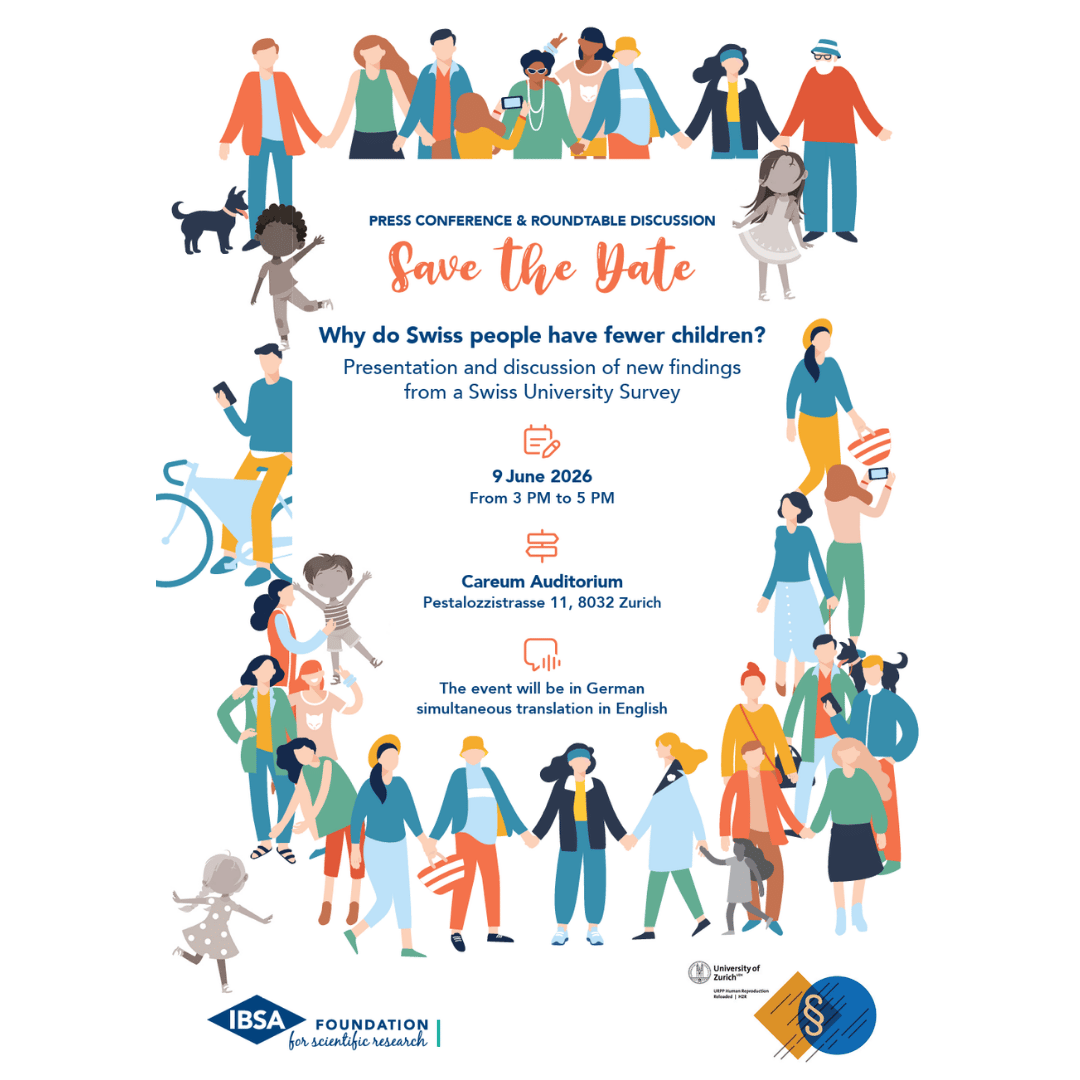
Reminder: Press conference and roundtable discussion «Why do Swiss people have fewer children?»
The IBSA Foundation for Scientific Research and the H2R Data Centre invites you to a press conference and roundtable discussion titled «Why do Swiss people have fewer children?». This event will present and discuss new findings from the CHARLS panel survey, providing a deep dive into the complexities of (in)fertility and childlessness in Switzerland.
📆 Tuesday, June 9th, 15:00-17:00
📍 Careum Auditorium
💬 German with simultaneous translation in English -
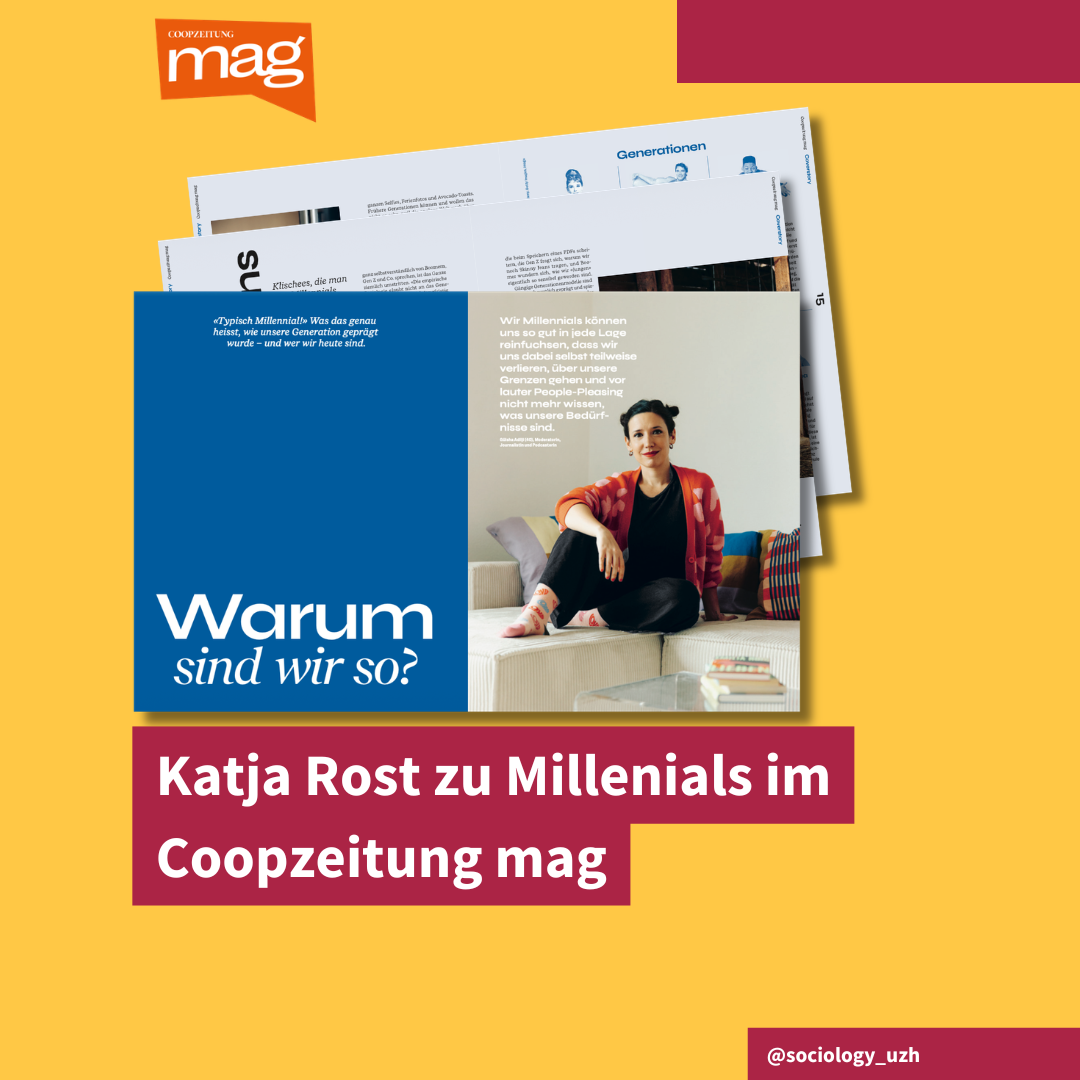
Thema Millenials im Coopzeitung mag: Katja Rost im Interview
Prof. Dr. Katja Rost gab im «Coopzeitung mag» ein Interview darüber, was die Generation der Millennials prägt und wie sie gesellschaftlich einzuordnen ist. Dabei erklärt sie, warum Generationenkonzepte zwar im Alltag beliebt, wissenschaftlich jedoch nur begrenzt belastbar sind, und wie historisches Umfeld, Digitalisierung und gesellschaftliche Erwartungen die Werte, Chancen und Herausforderungen dieser Generation beeinflussen.
-
Press conference and roundtable discussion «Why do Swiss people have fewer children?»
The IBSA Foundation for Scientific Research and the H2R Data Centre invites you to a press conference and roundtable discussion titled «Why do Swiss people have fewer children?». This event will present and discuss new findings from the CHARLS panel survey, providing a deep dive into the complexities of (in)fertility and childlessness in Switzerland.
📆 Tuesday, June 9th, 15:00-17:00
📍 Careum Auditorium
💬 German with simultaneous translation in English -
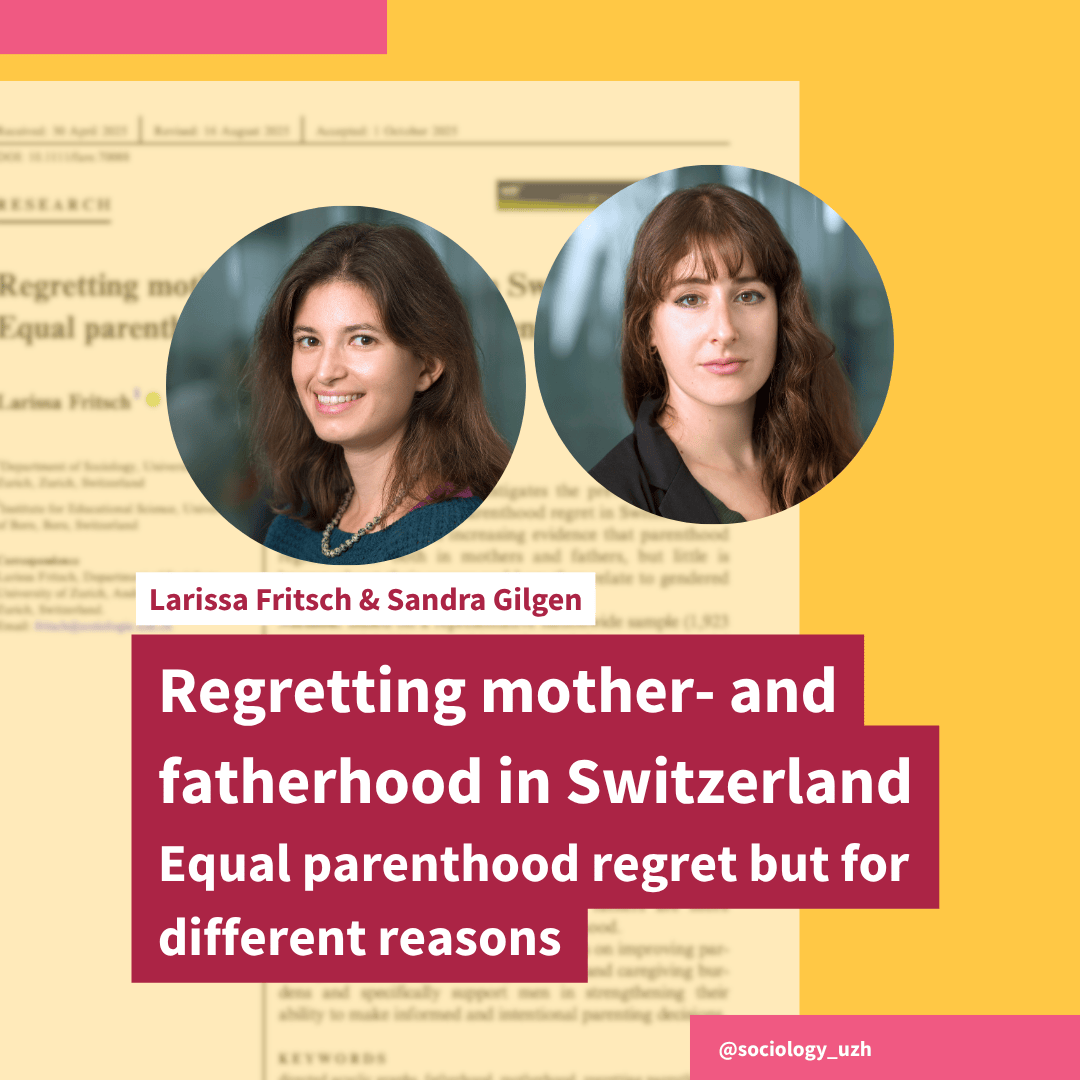
«Regretting mother- and fatherhood in Switzerland»: new article by Larissa Fritsch and Sandra Gilgen
There is increasing evidence that parenthood regrets occur both in mothers and fathers, but little is known about their causes and how they relate to gendered norms and conditions of parenthood. The newly published article by Larissa Fritsch and Dr. Sandra Gilgen investigates the prevalence of and factors associated with parenthood regret in Switzerland.
-

Matthias Klingler wins URPP H2R 2025 Best Researcher Award
Matthias Klingler, PhD candidate in the URPP Human Reproduction Reloaded H2R, has been one of three researchers honored with the Best Researcher Award 2025. He was recognized for his publication in Advances in Life Course Research and for his strong commitment to the research community.
-

Congratulations on a successful thesis defense, Maila Mertens!
On Monday, Maila Mertens successfully defended her Doctoral Thesis, which explores research questions on Medically Assisted Reproduction (MAR) with a gender perspective. Congratulations, Maila!
-

Newly published Social Inclusion issue about «Contemporary Changes in Medically Assisted Reproduction: The Role of Social Inequality and Social Norms» with articles by SUZ researchers
The 13th volume of Social Inclusion features contributions from SUZ researchers. Jörg Rössel co-authored the editorial on current developments in medically assisted reproduction (MAR), exploring how social inequality and social norms shape access, attitudes, and experiences. Maila Martens, Nadja Colombini, and Jörg Rössel examine motivations behind social egg freezing, while Julia Schroedter analyzes the influence of religion on attitudes toward MAR. Julia Böcker and Nina Jakoby aim to understand subjects' experience and emotional managment of (failed) fertility treatments.
-

New article by Matthias Klingler: «Labor supply response of women across the divorce process and the moderating role of children»
🔍 New Study on Women’s Labor Supply During Divorce
❓How do women adjust their work lives when navigating divorce—and how does motherhood shape that response? 👉🏻 Using longitudinal data from the German Socio-Economic Panel (SOEP), this study by Matthias Klingler finds that women increase their labor supply in anticipation of separation and sustain higher levels after divorce, with this pattern more pronounced among mothers than childless women. -

Katja Rost bei NZZ Live Event am 3. September - «Familie? Vielleicht später!»
Im Gespräch mit Katja Rost, Gideon Sartorius und Barbara Künzle diskutiert NZZ-Kolumnistin Nicole Althaus über neue Lebensentwürfe, gesellschaftliche Erwartungen und die Folgen des Geburtenrückgangs. Welche Rolle spielt die Politik und andere Rahmenbedingungen und welche Verantwortung tragen wir selbst?
-

Katja Rost bei ARTE Europa Weekly - Warum bekommt Europa immer weniger Kinder?
Wieso sinken in Europa - selbst in Ländern mit bis anhin bewährter Familienpolitik - die Geburtenzahlen? Katja Rost bietet Einsicht in die aktuelle Forschung bei der Ausgabe des wöchentlichenn ARTE-Format zum aktuellen Trend in der Bevölkerungsentwicklung in Europa.
-

Article by Maila Mertens, Jörg Rössel and Nadja Colombini: «Between Ambition and Uncertainty: What Drives Young Women to Consider Social Freezing?»
🔬 What drives young women to consider social egg freezing? This new article from Maila Mertens et al. reveals how career goals, gender norms, and reproductive autonomy shape this decision—while high costs remain a major barrier.
Published 2025 in «Social Inclusion».
#reprotech #socialinclusion #humanreproduction #fertility -

Congratulations on two new grants!
Two projects involving our researchers at the Department of Sociology studying generational family diversity and birth rate changes respectively have been granted research funding by the SNF and the PRC. Bravo!
-

New study: «The socio-organisational embeddedness of work-life mobility» by Per Block and Jan O. Jonsson
A recent study by Per Block and Jan O Jonsson suggests that social networks and job ladders within and between organisations provide the opportunities needed for job mobility – and that these are more powerful than classical explanations, such as social class or skills.
Published in «Research in Social Stratification and Mobility» on March 1, 2025.
-

New Event by H2R: Brown Bag Lunch with Carole Ammann
The URPP Human Reproduction Reloaded is inviting to the brown bag lunch talk «Queerying Doing Family? Gay and Trans Parents in Switzerland» by Carole Ammann.
-

Congratulations on a successful thesis defense, Kevin Schönholzer!
Last Tuesday, Kevin Schönholzer defended his dissertation, which examines how differences in policy, like paid parental leave and educational expansion, shape education. He researched equalizing factors using cross-national multi-cohort data.
-

New article by Kaspar Burger, Francesca Mele et al: «The intergenerational reproduction of self-direction at work: Revisiting Class and Conformity»
Are - like Melvin Kohn's posits in Class and Conformity - work conditions like self-direction transmitted from parents to children? This article aims to answer that question empirically with data from the Youth Developement Study.
-

New publication by Larissa Fritsch et al: «Does culture improve affective well-being in everyday life? An experimental sampling approach»
The study explores how cultural participation influences daily well-being using Experience Sampling Methodology (ESM). Unlike previous studies, it uses ESM to gather real-time data from over 270 respondents through mini-questionnaires over a week.
-

Reminder: last chance to RSVP for «Status and health: from immunity to society» by the Center for Human Immunology
The recently established Center for Human Immunology (CHI) will start a series of talks and discussions whereby in each session one speaker will cover a topic of human immunology and another speaker a related topic of social science, healthy aging, and data science. Every session will be followed by a networking apero.
-

Sandra Gilgen, Maila Mertens & Larissa Fritsch are awarded H2R Best Researcher 2024
This year three SUZ researchers are recognized as Best Researchers in the URPP «Human Production Reloaded» program for their work in the Data Centre.
-
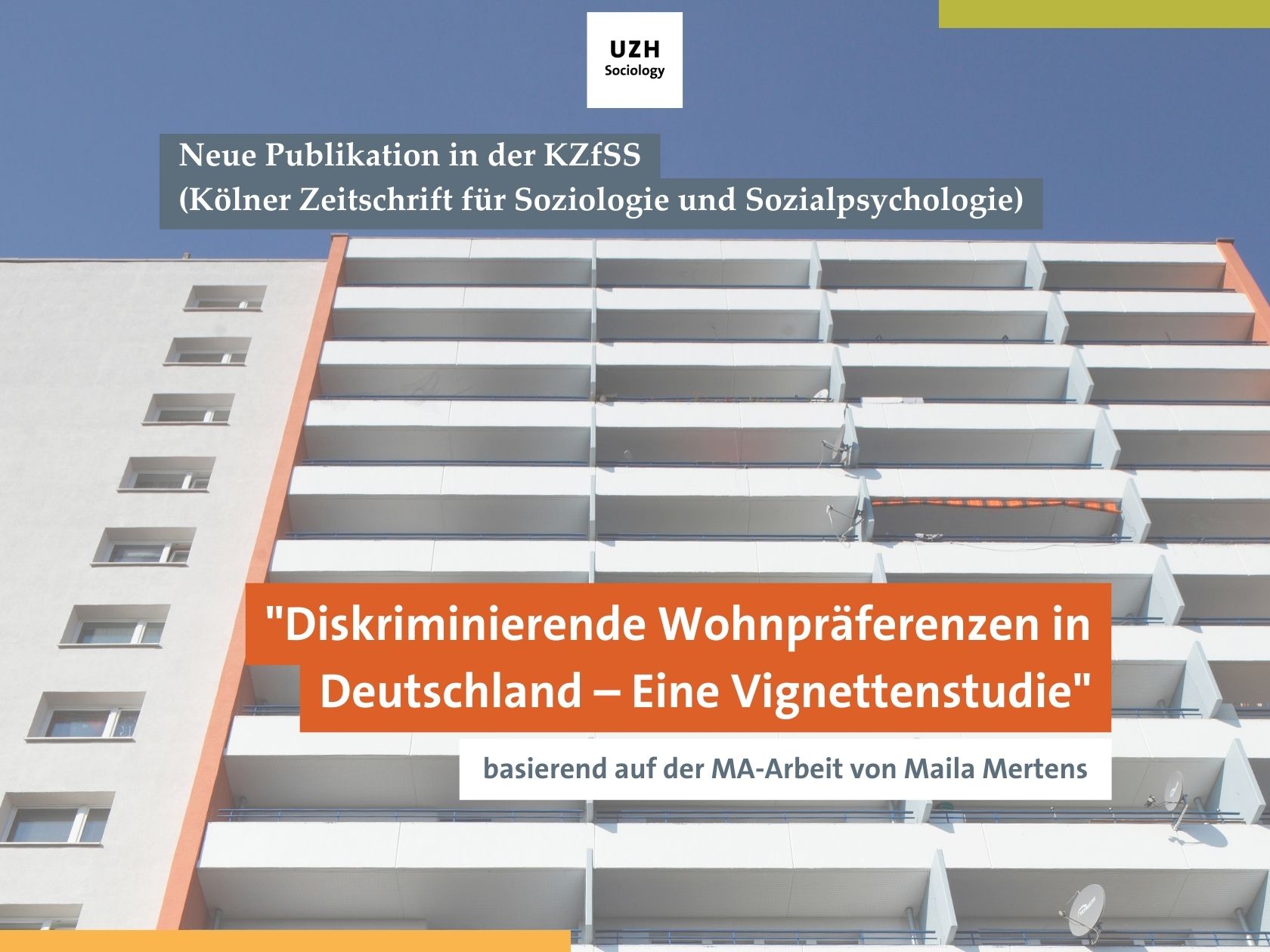
Neue Publikation von Maila Mertens: «Discriminatory Residential Preferences in Germany—A Vignette Study. Diskriminierende Wohnpräferenzen in Deutschland – Eine Vignettenstudie»
Publiziert am 26. September in der Kölner Zeitschrift für Soziologie und Sozialpsychologie (KZfSS). Der Artikel untersucht die Entstehungsmechanismen von Wohnsegregation auf der Nachfrageseite von Wohnungsmärkten, d. h. diskriminierende Wohnpräferenzen von Einwohnern bezüglich der sozialen Zusammensetzung von Wohnvierteln.
-
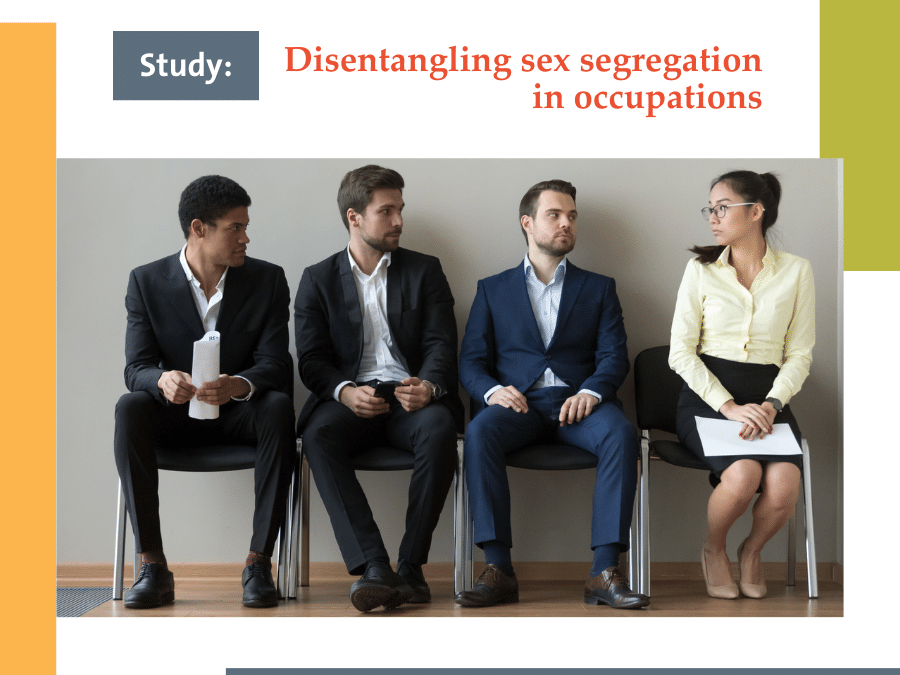
Studie: "Disentangling sex segregation in occupations"
Es gibt immer mehr Lehrerinnen als Lehrer. Warum verlassen Männer die sogenannten "Frauenberufe"? Diese neue Studie von SUZ-Professor Per Block sucht Antworten zur beruflichen Geschlechtertrennung.
Erschienen in "Social Networks" am 30.12.2022.
-
New study: Coping With Covid‐19: Older Europeans and the Challenges of Connectedness and Loneliness
With increasing age, a growing proportion of people experience feelings of loneliness.This article, published by Ronny König and Bettina Isengard in the "Social Inclusion" Journal, examines the extent and patterns of loneliness before and during the first two years of the Covid‐19 pandemic and how social contact and the type of communication affected the levels of loneliness.
-

Wer fühlt sich exkludiert? Zur zeitdiagnostischen Verwendung des Konzepts der sozialen Exklusion
-

Human Agency in Educational Trajectories: Evidence from a Stratified System
-
Making it against the odds: How individual and parental co-agency predict educational mobility
-

UFSP Human Reproduction Reloaded
Der Universitäre Forschungsschwerpunkt Human Reproduction Reloaded startet mit Unterstützung des Soziologischen Instituts
-

Digital omnivores?
How digital media reinforce social inequalities in cultural consumption
-

Self-esteem and self-efficacy in youth and their effect on status attainment later in life
Does adolescent self-esteem and economic self-efficacy affect adult educational and income attainment? And are these psychological resources transmitted from one generation to the next?
-
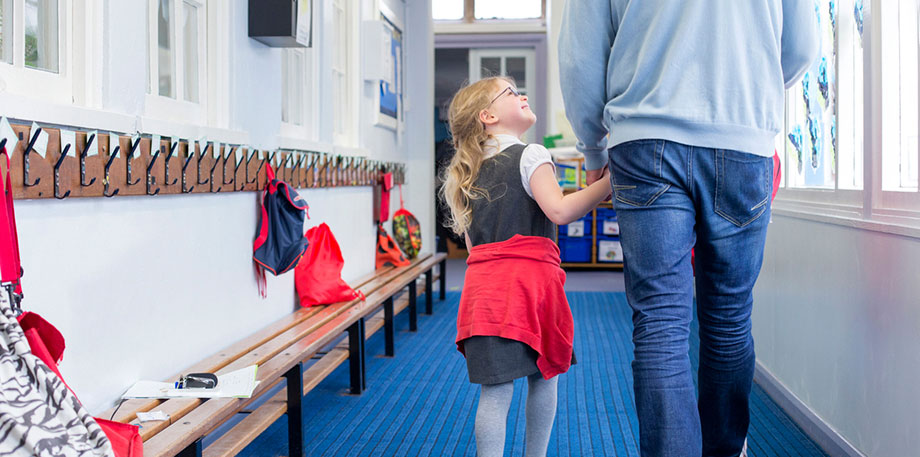
Moderne Rollenverteilung verbessert die Zufriedenheit der Eltern
Wie wirkt sich die Gleichstellung von Mann und Frau auf die Lebenszufriedenheit aus? Dieser Frage geht Klaus Preisner gemeinsam mit Koautor*innen in einem neuen Artikel empirisch nach.
-
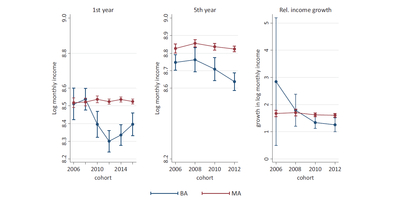
Zahlt sich ein Masterabschluss aus?
Zusammen mit zwei Co-Autoren der Universität Bern untersucht Christoph Zangger in einer neuen Studie die monetären Erträge unterschiedlicher Bildungsabschlüsse und Studiengänge vor dem Hintergrund der Bolognareform.
-

Erster News-Eintrag
Herzlich willkommen auf den neuen Forschungsseiten für Lebenslauf und Generationen